Insight · Social strategy
Nobody's seeing your posts
Read article →
FIFA tried to make a $170 million logo disappear. Instead, it created one of the most talked-about marketing moments of the year.
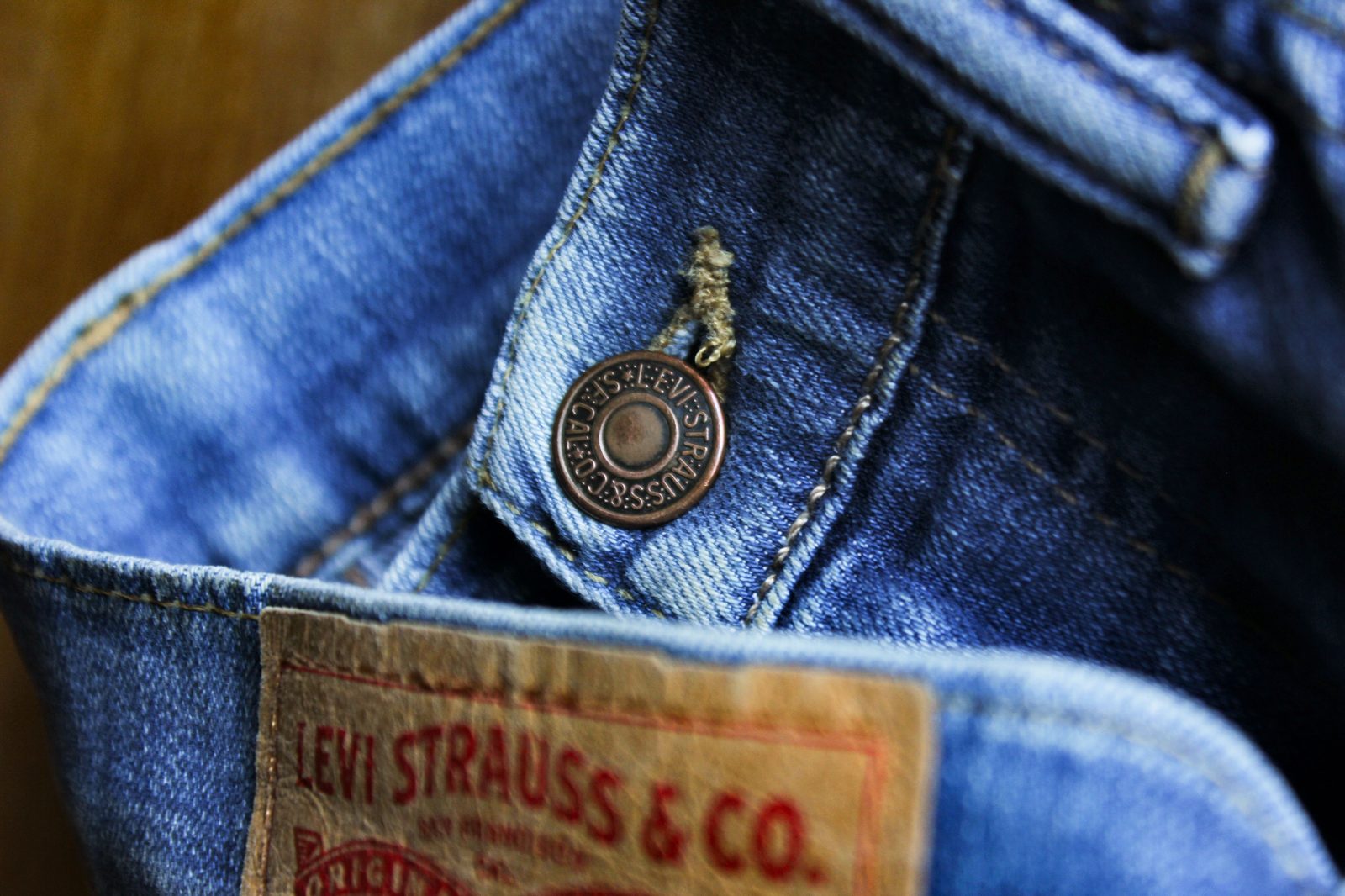
FIFA tried to make a $170 million logo disappear. Instead, it created one of the most talked-about marketing moments of the year.
Sponsorship rights at a World Cup are ruthlessly protected. FIFA's rules ban any brand that hasn't paid for official sponsorship from displaying promotion in or around the stadiums - all to protect the small pool of companies (think Coca-Cola, Adidas, Visa) who've paid enormous sums for exclusivity.
That created an awkward problem in California. Levi's had already spent $170 million putting its name on the stadium long before this year's tournament arrived, as part of a separate, long-running naming rights deal. When World Cup season came around, FIFA's sponsorship rules meant that giant logo suddenly had to go.
The fix should have been the end of the story: cover it up. Levi's, like every other non-sponsoring stadium naming partner, was told to hide its branding for the duration of the tournament.
Here's where it gets interesting. FIFA didn't ask Levi's to take the logo down - just to cover it. So contractors pulled a tightly fitted white sheet over the stadium's giant bat-wing-shaped logo.
The problem for FIFA was that the shape of the logo was so instantly recognisable that the cover-up didn't hide the brand at all. If anything, a huge white sheet stretched over a distinctive silhouette, sitting on top of a stadium everyone already associated with Levi's, only drew more attention to it. People began photographing it, posting it, and asking why it was covered in the first place - which meant explaining, in every single post, whose logo it was.
Most brands in that position would have quietly complied and waited it out. Other stadium sponsors in a similar spot - MetLife and Mercedes among them - did exactly that.
The brand changed its Instagram profile picture to an image of the covered logo, and draped matching white sheets over signage at its own shops around the world - turning a FIFA restriction into a coordinated, global campaign that it hadn't spent a cent commissioning.
This isn't really a story about football, or even about Levi's. It's a story about what happens when a brand is fast enough and confident enough to notice an opportunity that wasn't in anyone's media plan. A few things are worth taking from it:
Most businesses won't have a World Cup-sized moment land in their lap, but the underlying habit transfers to any brand in any sector:
Levi's didn't plan to run one of the year's biggest marketing campaigns. FIFA's rulebook forced its hand, and a sharp team turned a compliance requirement into a global talking point - at a fraction of the cost of a traditional World Cup activation.
It's proof that some of the best marketing ideas don't come from a brainstorm. They come from paying close attention to whatever's already happening around your brand, and having the speed and confidence to act on it before the moment passes.
Why did Levi's have to cover its logo at the World Cup?
FIFA's sponsorship rules restrict branding in and around World Cup stadiums to official tournament sponsors. Levi's holds the stadium's naming rights through a separate long-term deal, not a World Cup sponsorship, so its signage had to be covered for the tournament.
Did Levi's plan the cover-up campaign in advance?
No. The requirement to cover the logo came from FIFA. Levi's response - changing its Instagram picture and covering signage in its own shops - was a reactive campaign built quickly around a restriction it didn't choose.
What can small businesses learn from the Levi's cover-up campaign?
You don't need a $170 million stadium deal to apply the lesson. The core idea - stay alert to real-world moments involving your brand and respond quickly and consistently - works at any budget. It's about speed and attention, not spend.
Reactive marketing like this only works if you've got the systems and creative instincts in place to move fast. That's exactly what we build for our clients.
Book a discovery call
No-fluff takes on what brands get right, get wrong, and stay strangely quiet about - delivered straight to your LinkedIn feed. Free, and worth the inbox space.
Subscribe on LinkedIn