Insight · Social strategy
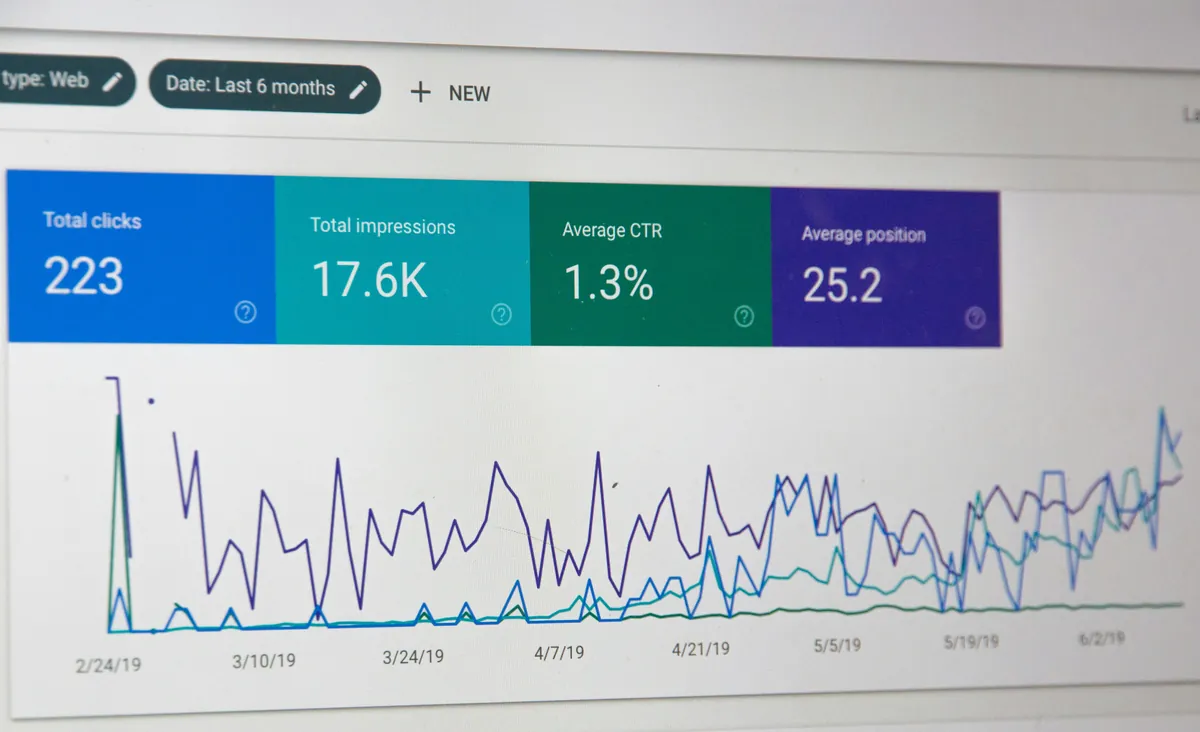
Nobody's seeing your posts
Read article →
AI can write the post, the caption and the email in seconds. That was never the hard part. The hard part is having something worth saying - and most content calendars are built to avoid that question entirely.

There are more ways to make content than ever. There has also never been a worse time to make content that sounds exactly like everyone else's.
AI can write the post. Generate the social caption. Write the email. Give you 20 headline options before you've finished your coffee. So why does so much marketing still feel like filler?
Because we're not short of content. We're short of ideas.
Somewhere along the way, marketing became a numbers game. Three posts a week. Two blogs a month. A newsletter every Friday. Six Reels. Ten ad variations.
The calendar gets filled. The spreadsheet looks healthy. Everyone feels productive. And nobody remembers any of it.
That's the problem. More content isn't the same as more attention. And attention isn't the same as being remembered.
AI has changed the economics of content production. A small marketing team can now produce in an afternoon what once took days. Drafts, captions, ideas, images, emails, video scripts and variations can all be generated at speed.
That's useful. But it creates a problem. When everyone has access to the same tools, the tools stop being the differentiator. If your competitor can generate ten LinkedIn posts before lunch, generating twelve doesn't give you an advantage. And if both of you ask AI for five engaging social media ideas for a modern business, there's a good chance you'll end up saying roughly the same thing.
The bigger problem isn't AI. It's how brands have always approached communication. Businesses are often terrified of saying the wrong thing. So they sand everything down.
The opinion becomes a statement. The statement becomes a slogan. The slogan becomes something that could have been written by any company in the industry.
Think about how many brands tell you they are customer-focused, innovative, passionate, trusted or committed to excellence. Now try remembering which brand said which one. Exactly.
One of the easiest ways to become forgettable is to look at what your competitors are doing and copy the format. They post three times a week, so you post three times a week. They have a company podcast, so you start a podcast. They publish a monthly guide, so you publish a monthly guide. They talk about the same five industry trends, so you talk about the same five industry trends.
Soon, everyone is producing the same marketing in slightly different fonts. That's not a strategy. That's following.
The better question isn't "What are our competitors saying?" It's "What aren't they saying?" That's where the interesting stuff starts. (It's the same instinct behind picking channels deliberately rather than by default - our guide on organic vs paid social covers how to decide where your budget should actually go, rather than copying whatever a competitor is doing.)
You don't need to be controversial for the sake of being controversial. You need to believe something. About your industry. About your customers. About the problem you solve. About what everyone else is getting wrong.
Because that's what makes content yours. AI can replicate the words. It can't decide what your business actually believes. Neither can your competitor.
And the most important one: would anyone care if we didn't publish it? If the answer is no, don't post it.
That doesn't mean every post needs to generate a lead. Some content should entertain. Some should educate. Some should build trust. Some should make people think differently about a problem. That's fine. But it should have a reason to exist.
If your audience can read your post, swap your logo for a competitor's logo and nothing changes, you haven't created a brand asset. You've created a template.
Look at the brands people actually talk about. They tend to have a clear personality. They have opinions. They know what they stand for. Their content feels connected to the business rather than produced because the calendar says Tuesday.
That's the opportunity. You don't need to become louder than everyone else. You need to become more recognisable. (This is the same distinction we make when clients ask what actually earns attention in a crowded feed - see why organic reach has collapsed for the mechanics of what platforms reward now.)
The next time someone asks how often your brand should post, don't start with the number. Start with the message. What do you want people to remember? What do you know that they don't? What can you say better than anyone else?
Because the answer to those questions is worth more than another 30 posts generated just to keep the feed busy.
AI will make producing content faster. It will make average content cheaper. It will make publishing easier. That makes having something genuinely worth saying more valuable, not less.
So don't build your marketing strategy around filling the calendar. Build it around having a point of view.
At BlackFire, we don't believe marketing is about producing more for the sake of producing more. It's about finding the idea, message and strategy that gives people a reason to pay attention - then turning that attention into something that matters to the business.
Book a call
No-fluff takes on what brands get right, get wrong, and stay strangely quiet about - delivered straight to your LinkedIn feed. Free, and worth the inbox space.
Subscribe on LinkedIn