Insight · Brand strategy
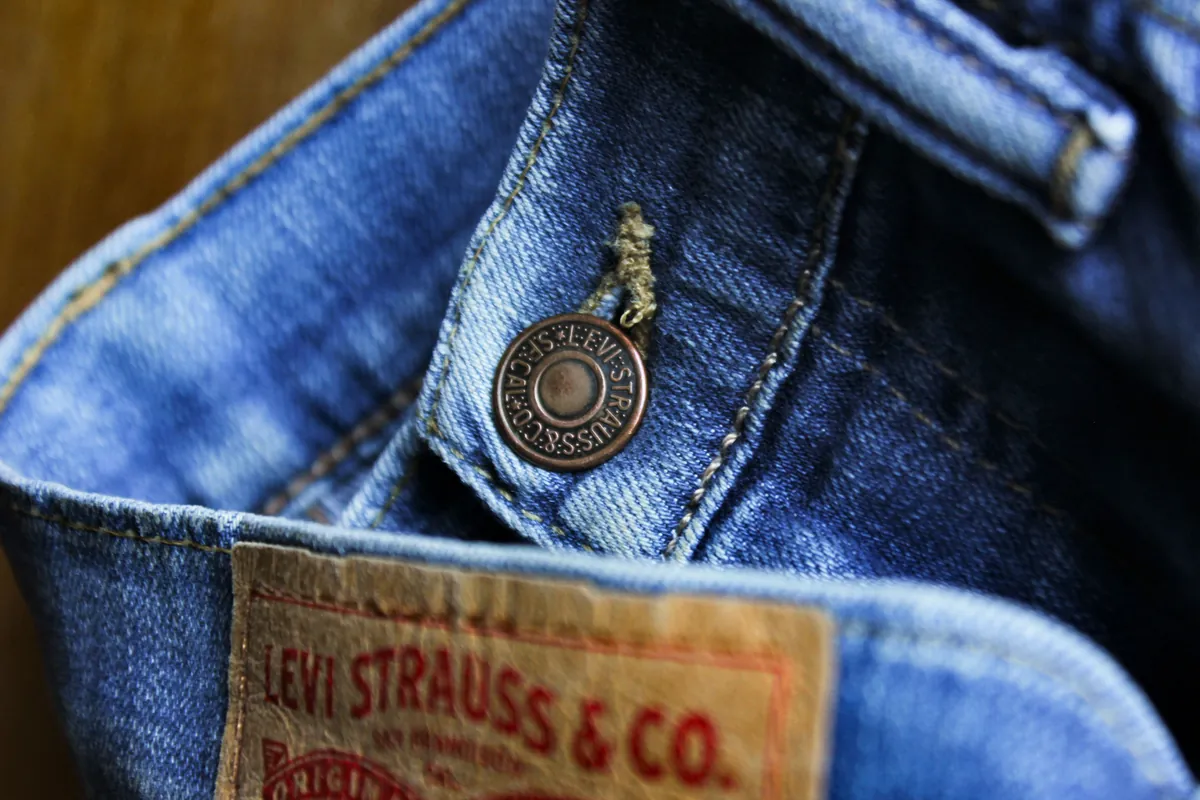
FIFA's $170m gift to Levi's
Read article →
Compare the Market didn't win its category by explaining insurance better than anyone else. It won by inventing a fictional aristocrat who couldn't stand being confused with it - and the joke is still running nearly 20 years later.

Back in 2008, UK insurance comparison site Compare the Market built an entire advertising campaign out of a pun. Nearly 20 years later, the fictional meerkat it invented is arguably more recognisable in the UK than the brand itself - and the campaign is still running.
Here's how a throwaway wordplay observation became one of the most durable pieces of advertising Britain has produced, and what it teaches brands stuck trying to out-explain their competitors.
By 2008, price comparison websites were everywhere in the UK, and they all had roughly the same pitch: compare prices, save money, do it in minutes. Compare the Market faced a problem that's genuinely common across plenty of categories - a market where every competitor is functionally identical, and differentiating on product alone simply isn't possible.
The brand brought in London creative agency VCCP to solve it. What VCCP found wasn't a better feature or a sharper price message. It was a coincidence sitting in the brand's own name.
"Compare the Market" sounds remarkably close to "Compare the Meerkat." Most agencies would clock that, smile, and move on to a proper strategy. VCCP built an entire campaign around it instead.
Rather than a single joke or a tagline, VCCP invented a fully fictional rival business: comparethemeerkat.com, run by an aristocratic Russian meerkat named Aleksandr Orlov, permanently exasperated that human customers kept turning up on his site looking for insurance instead of meerkats.
That premise gave the campaign something most advertising never bothers to build: an actual world. Orlov got a backstory, a family, supporting meerkat characters, a distinct voice and personality - and, eventually, physical products. Collectable meerkat plush toys went into production, and they're still being bought and sold on eBay in 2026, nearly two decades after the campaign began.
Most brands treat being confused with something else as a problem to correct. VCCP took the confusion between "market" and "meerkat" and made it the entire premise, turning what could have been an awkward mispronunciation into the single most memorable thing about the brand.
A single funny advert has a shelf life of a few weeks. A fictional character with a backstory, a family and a growing universe of supporting characters can be extended indefinitely. Nearly 20 years on, Compare the Market can still introduce new meerkat storylines without the format feeling tired, because the world was built to expand from day one.
Aleksandr Orlov isn't a mascot bolted onto existing advertising.
That's the sharpest version of what a strong brand asset can do: outgrow the product it was built to sell, while still driving people straight back to it.
Selling physical meerkat toys did something most ad campaigns never attempt - it gave people a reason to actively seek the brand out, rather than passively watch it. A plush toy on a child's bed is a piece of brand recall that a 30-second advert simply can't replicate.
Compare the Market's insight wasn't really about meerkats. It was about recognising that when your product is genuinely difficult to differentiate, the way you're remembered can become the differentiation. It's the same underlying principle we've seen play out in campaigns like Levi's FIFA cover-up and DoorDash's World Cup ad - borrowed or built attention outperforming a straightforward product pitch. A handful of principles carry across from this campaign to almost any category:
Compare the Market didn't out-argue its competitors on price or product. It found the one thing about its own name that nobody else could copy, and built an entire fictional world around it, patiently, for nearly two decades. It's proof that a strong enough idea, given room and consistency, can end up carrying more recognition than the brand it was built to promote - and that's not a failure of the campaign. It's the whole point.
When did the Compare the Market meerkat campaign start?
The campaign launched in 2008, created by London agency VCCP, and has continued to run in various forms for nearly 20 years.
Why did Compare the Market use a meerkat instead of advertising its actual product?
The insurance comparison market was crowded, with most competitors offering a near-identical pitch. Rather than compete on product messaging alone, the brand built a distinctive, ownable character around a pun in its own name, giving it a way to stand out that competitors couldn't easily copy.
Is the meerkat merchandise still available?
Yes. Collectable Compare the Market meerkat plush toys are still bought and sold on marketplaces such as eBay as of 2026, nearly two decades after the campaign first launched.
Book a 30-minute call and we'll help you find the angle only your brand can own.
Book a 30-minute call
No-fluff takes on what brands get right, get wrong, and stay strangely quiet about - delivered straight to your LinkedIn feed. Free, and worth the inbox space.
Subscribe on LinkedIn