Insight · Brand strategy
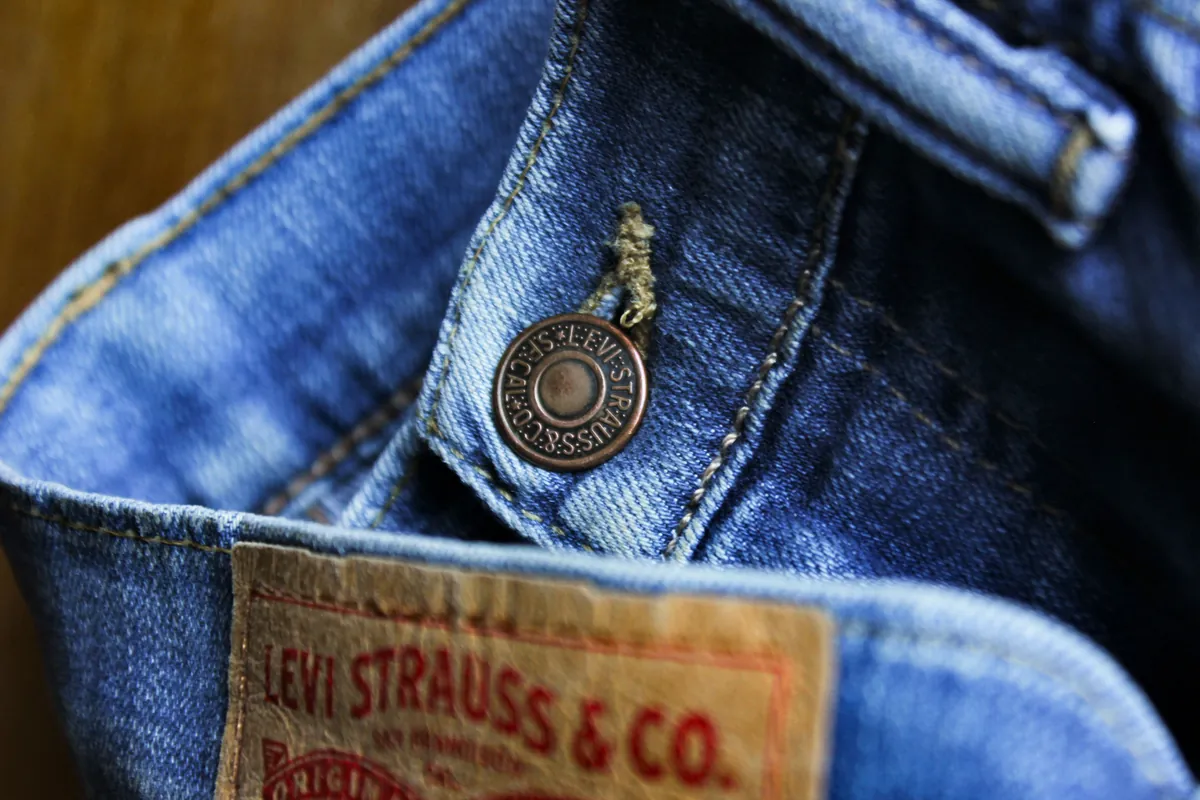
FIFA's $170m gift to Levi's
Read article →
FIFA's sponsorship rules are strict enough to police the branding on a ketchup bottle. Heinz didn't fight the rule - it let a bit of tape do the marketing for free, then sold the joke back to the internet.

Staff at this year's World Cup were told to tape over the logo on every Heinz bottle in the stadium, because Heinz isn't an official tournament sponsor. Photos of the taped-up bottles went viral anyway - the shape and colour were unmistakable even with the name gone - and Heinz turned the reaction into a limited-edition "censored" bottle of its own.
Here's how a genuinely tiny piece of sponsorship enforcement turned into one of the most talked-about brand moments of the tournament, and what it says about the strength of Heinz's brand assets.
FIFA's sponsorship rules exist to protect the small group of brands who've paid enormous sums for official World Cup status - names like Coca-Cola, Adidas and Visa. Everyone else, officially, has to disappear from stadium view for the duration of the tournament.
That rule doesn't just apply to big-ticket sponsorships like stadium naming rights. It reaches all the way down to what's sitting on a table in the concourse. Heinz isn't an official sponsor, so venue staff were instructed to tape over the branding on every ketchup bottle on site. It's the same enforcement mechanism we saw play out with Levi's stadium logo - just applied at a much smaller scale.
It's a small, almost bureaucratic piece of enforcement. It became a genuinely global story.
Photos of the taped-up bottles spread quickly online, and the reason is simple: Heinz's bottle shape and colour are so distinctive that blacking out the name changed almost nothing. People could identify the brand at a glance, tape or no tape, which made the cover-up look faintly absurd - and gave people an easy, shareable joke to post.
That's not an accident of packaging. It's the payoff of decades spent building a shape, a colour and a typeface that function as a brand identifier on their own, independent of the word "Heinz" actually being visible.
Rather than staying quiet and letting the moment pass, Heinz watched the reaction build online and moved to capitalise on it directly. The brand released a limited-edition "censored" bottle of its own - deliberately mimicking the taped-up look that had already gone viral, turning a compliance headache imposed by someone else into a product it could sell.
It's a genuinely efficient piece of marketing. Heinz didn't commission a campaign, book media space, or brief an agency on a multi-week creative process. It reacted to something already happening to its brand and turned the reaction itself into the asset.
Most brands rely on their name to be identified. Heinz's cover-up moment proved its packaging alone carries meaning - the bottle shape and the colour red do more identifying work than the wordmark ever needed to.
That's the kind of brand equity that takes years, and a lot of consistency, to build. It's also the kind of equity that pays off in exactly this sort of unplanned moment.
Heinz didn't need a big production to capitalise on this. A limited-edition bottle, styled to match a joke the internet had already made, was enough. The cost of the idea was tiny relative to the press and social coverage it generated - a level of reach a traditional campaign of the same size would likely cost many times more to achieve.
None of this works if nobody at Heinz was paying attention to how people were reacting online. Spotting that the taped-up bottles were already a talking point - and moving fast enough to turn that into a product - required someone watching social conversation in real time, not waiting for a quarterly review to notice a trend had already passed.
It's worth asking the question Heinz's moment raises for any business: if your name, logo or wordmark were removed entirely, would people still know who you were? For most brands, the honest answer is no - which is exactly why building distinctive, ownable assets (a shape, a colour, a sound, a silhouette) is worth investing in long before a moment like this ever arrives. It's the same underlying asset-building logic behind Compare the Market's meerkat - a brand asset so strong it now outperforms the name it was built to promote.
FIFA didn't intend to hand Heinz a marketing campaign. A rule built to protect official sponsors, applied all the way down to condiments on a table, ended up proving just how strong Heinz's brand recognition really is. The lesson isn't really about ketchup, or even about the World Cup - it's about how far a truly distinctive brand identity can carry you when an unplanned moment lands in your lap, and how little it can cost to capitalise on it if you're watching closely enough.
Why did FIFA make venues tape over the Heinz logo?
FIFA's sponsorship rules restrict branding in and around World Cup stadiums to official tournament sponsors. Heinz isn't an official sponsor, so its branding, including the ketchup bottles used at the venues, had to be covered for the duration of the tournament.
Did Heinz plan the "censored" bottle campaign in advance?
No. The cover-up was FIFA's enforcement of its own sponsorship rules. Heinz's limited-edition bottle was a reactive move, released after photos of the taped-up bottles had already gone viral online.
What can other brands learn from the Heinz cover-up moment?
The core lesson is about brand distinctiveness: a shape, colour or silhouette that's recognisable without a visible name is a genuine commercial asset. It also shows the value of monitoring real-time reaction to your brand closely enough to move quickly when an opportunity appears.
Book a 30-minute call and we'll talk through what that would take for yours.
Book a 30-minute call
No-fluff takes on what brands get right, get wrong, and stay strangely quiet about - delivered straight to your LinkedIn feed. Free, and worth the inbox space.
Subscribe on LinkedIn