Insight · Brand strategy
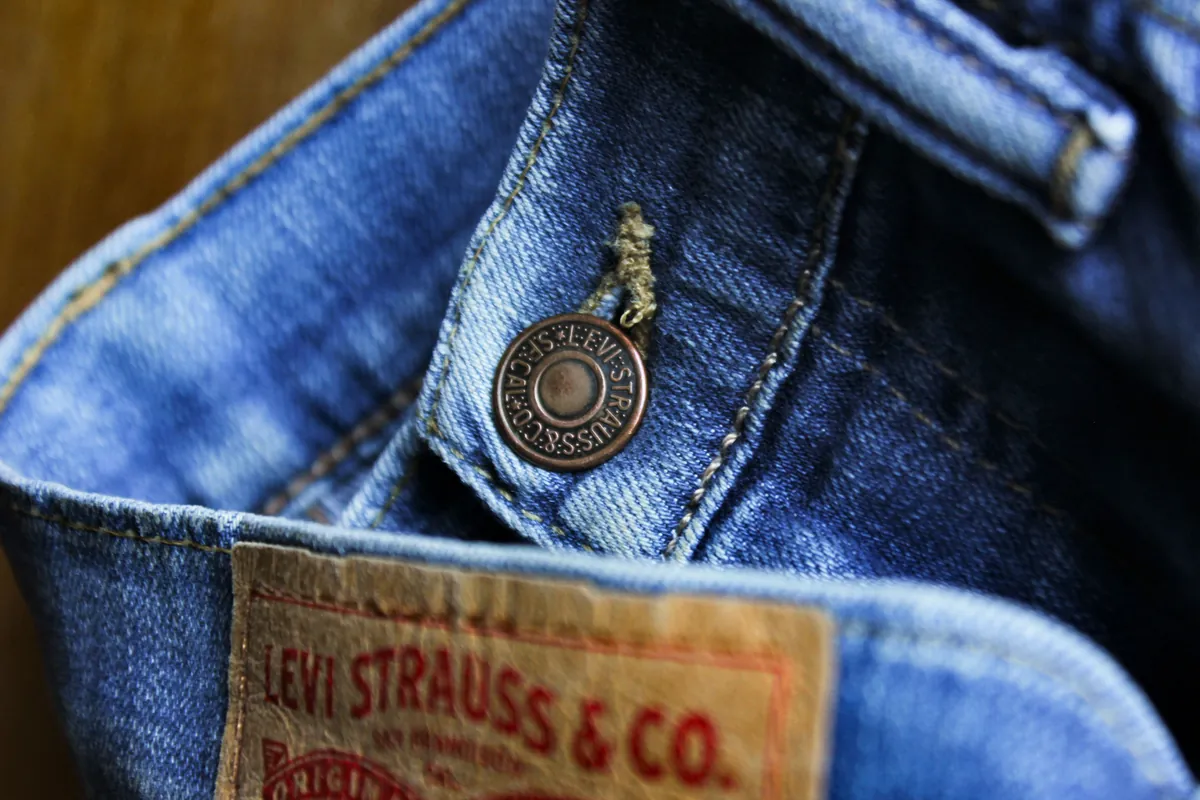
FIFA's $170m gift to Levi's
Read article →
IKEA Canada had no World Cup sponsorship, no rights to the logos, and no access to a single player or piece of match footage. So it built its own World Cup campaign entirely out of cushions, lamps and storage boxes - and paid nothing for the privilege.

IKEA Canada turned everyday products into 18 national flags for this year's World Cup, without paying a single penny for official tournament sponsorship. The campaign became a genuine guessing game across social media - and it's a sharp reminder that you don't need a sponsorship deal to win a share of the conversation.
Here's how the campaign came together, why it worked without a single official World Cup asset in sight, and what it means for brands who feel priced out of a big cultural moment.
Official World Cup sponsorship comes at a genuinely enormous cost, and it buys access to logos, player likenesses and match footage that non-sponsors simply aren't allowed to use. IKEA Canada wasn't a sponsor this year, which meant every conventional route into the tournament conversation - branded stadium content, official partnerships, footage-led ads - was off the table entirely. It's the same restriction that pushed Heinz into taping over its own bottles at the same tournament.
Most brands in that position either sit the tournament out, or run generic, vaguely football-adjacent content that barely registers. IKEA, working with agency Dentsu Creative, chose a third option: build something original enough that it didn't need permission from anyone.
The idea was simple to describe and genuinely difficult to execute well. IKEA arranged its own everyday products - cushions, lamps, rugs, storage boxes and more - into the flag design of each competing nation, producing one shareable image per country.
Nothing about the campaign referenced the World Cup directly. There were no official logos, no players, no match footage - just a recognisable flag pattern, built entirely from products IKEA already sells. The World Cup connection lived entirely in the audience's head, not in anything IKEA had to license.
The format turned each flag into a small puzzle rather than a passive image. People had to actually look closely to identify which product made up which part of the design, which is exactly the kind of content that gets tagged, shared and discussed rather than simply scrolled past.
That interactivity did more for reach than a conventional advert could have managed on the same budget. Every tag was a fresh, free impression in someone else's feed, and every guess left as a comment kept the post alive in the platform's algorithm for longer than a static ad typically survives.
IKEA had zero official access to World Cup assets, and it still produced one of the more talked-about pieces of tournament-adjacent content.
The lesson isn't about football specifically - it's that being locked out of the official conversation doesn't mean being locked out of the cultural moment altogether, provided you find an angle that doesn't require permission.
A campaign people can solve in half a second gets a glance and nothing more. A campaign that asks for a moment of genuine attention - spot the country, name the products - creates the kind of engagement that platforms reward and audiences remember.
IKEA didn't commission new products or a bespoke set for this campaign. It used items already sitting in its catalogue, which meant the idea was primarily a creative cost, not a production one. That's a genuinely repeatable model for smaller brands: the constraint isn't always budget, it's imagination applied to what you already sell.
The World Cup gave IKEA's campaign its context and timing, without IKEA needing to buy any rights to reference it directly. Plenty of major cultural moments - sporting events, awards season, national holidays - offer the same opportunity, provided the connection is clever enough not to need official permission to make sense. It's the same principle behind Levi's stadium logo moment and DoorDash's World Cup ad - attention borrowed from a moment already happening, not bought outright.
IKEA Canada didn't win a seat at the World Cup's sponsorship table. It built its own table entirely out of furniture, and got people playing a guessing game with its products for free. It's proof that access to a major cultural moment isn't only bought through sponsorship fees - sometimes it's earned through a genuinely good idea that nobody needs to license.
Was IKEA an official sponsor of the World Cup?
No. IKEA Canada had no official World Cup sponsorship and no rights to use tournament logos, player likenesses or match footage. The campaign was built entirely around IKEA's own products, without referencing any official World Cup assets.
How did IKEA turn furniture into national flags?
Working with agency Dentsu Creative, IKEA arranged everyday products such as cushions, lamps, rugs and storage boxes into the flag designs of competing nations, producing one shareable image per country.
Why did the campaign spread on social media?
The flags worked as a guessing game, encouraging people to identify which products made up each design and tag friends to join in. That interactivity drove far more engagement than a static advert typically achieves.
Book a 30-minute call and we'll help you find the angle that doesn't need permission.
Book a 30-minute call
No-fluff takes on what brands get right, get wrong, and stay strangely quiet about - delivered straight to your LinkedIn feed. Free, and worth the inbox space.
Subscribe on LinkedIn