
Guide · Creators
How to get brand deals
Read article →
From October to Christmas, many UK creators' inboxes fill up with PR packages, launch invites and "we'd love to send you something" DMs.

From October to Christmas, many UK creators' inboxes fill up with PR packages, launch invites and "we'd love to send you something" DMs. Some of these gifted collaboration offers are genuinely useful. Others are a full content job dressed up as a freebie.
The rules around gifting also got sharper this autumn. In September 2026, the Advertising Standards Authority (ASA) ruled against a Manchester restaurant and a food creator over a post made after a hosted breakfast launch, finding that free food and drink in exchange for content counted as payment. This guide covers how gifted collaborations work in the UK, how to label them, what they mean for tax and how to turn them into paid work.
At BlackFire Marketing, we run creator campaigns for brands and represent creators through BlackFire Talent, so this guide is written from both sides of the deal.
A gifted collaboration is any arrangement where a brand gives you a product, service or experience instead of, or as well as, a fee. In practice, it usually falls into one of three types:
The more a brand asks of you in return, the closer a gifted collab gets to being a paid job. That affects how you label it and whether it is worth your time.
On 23 September 2026, the ASA upheld a complaint about an Instagram post by a creator for San Carlo Cicchetti, part of the restaurant group San Carlo. The creator had been invited by the brand's PR agency to a breakfast menu launch, with complimentary food and drink for herself and a guest. There was no cash payment, no formal contract and no approval of the post.
The ASA still decided the post was an ad. The invitation said the experience was offered "in exchange" for a minimum of three Instagram Story frames and a grid carousel or reel tagging the restaurant, and a follow-up email attached a press release with key messaging ahead of the visit. In that context, the ASA treated the free food and drink as payment, and the required formats and supplied messaging as enough control for the post to fall under the advertising rules.
Two findings stand out for creators:
The same batch of rulings included a paid Instagram post for the chicken shop chain Morley's, which also broke the less healthy food rule.
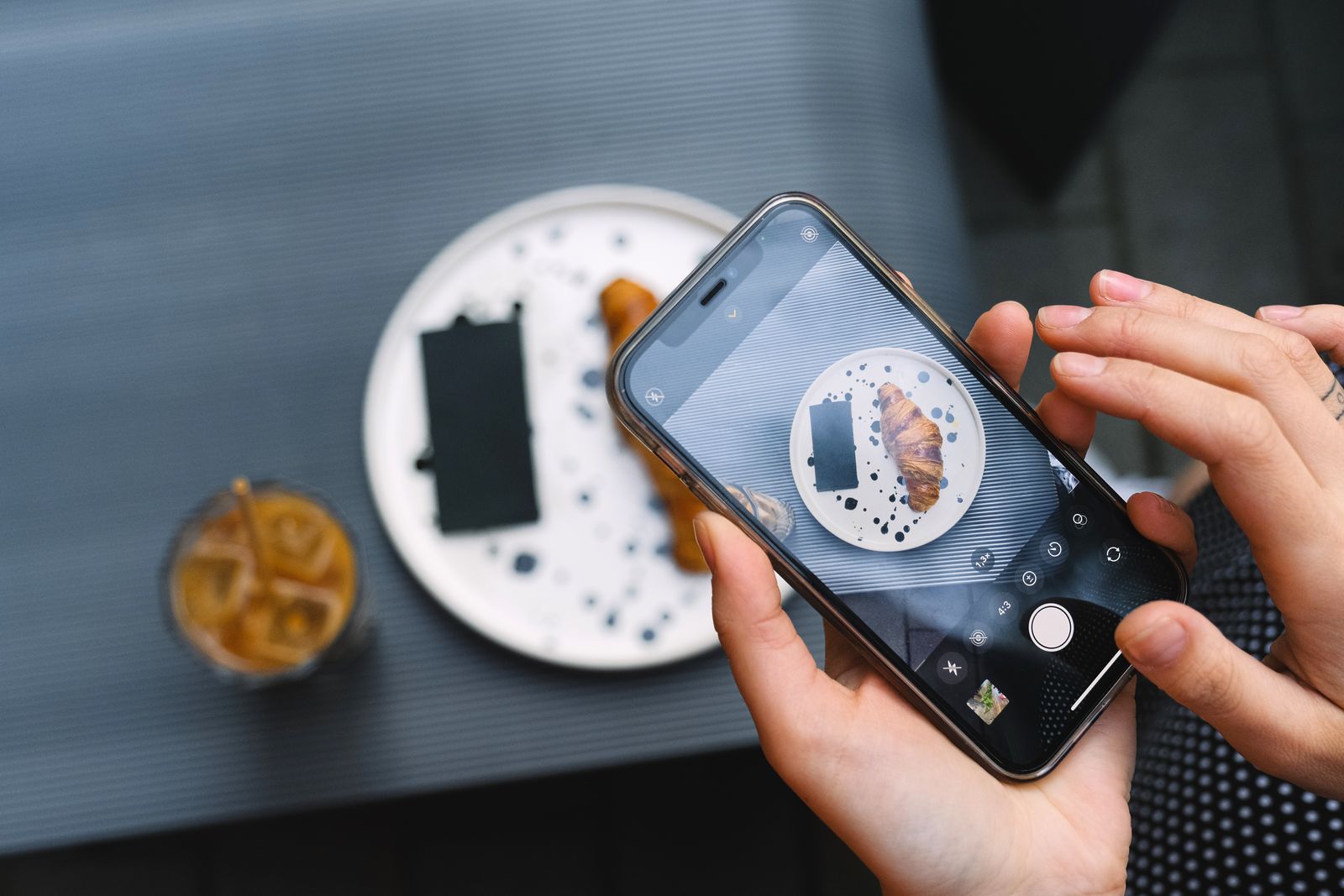
If you are offered a free meal or food product in return for posts, assume the content is advertising and label it as an ad. If the brand sells products that may count as less healthy, ask the brand or its agency to confirm in writing that what you are being asked to feature is compliant. Their PR team should already know.
In most cases, yes. The Competition and Markets Authority (CMA) says its guidance for content creators applies if you have received a product for free or at a discount, or any other incentive, no matter how many followers you have.
The ASA's advice on influencer marketing is just as direct. Whenever a brand gives a creator a payment or any other incentive, whether requested or unsolicited, content featuring the brand needs to be obviously identifiable as advertising. In practice, that means:
The ASA's advice covers incentives that are "requested or unsolicited". If you choose to post about something a brand sent you for free, label it as an ad. If you agreed to nothing, you are not obliged to post at all.
TikTok Shop affiliate samples are gifting with strings attached. TikTok's October 2026 UK update, reported by Affiverse, notes that carousel posts promoting a free sample do not count towards the free-sample content requirement. Read the sample terms first, so you know which format you owe.
This is the part many creators miss. HMRC's guidance for content creators says that when you work out your income from creating online content, you must include the value of any gifts or services you received for promoting products, because they count as income.
HMRC gives a simple example. If brands paid you £700 for review videos, sent you products worth £300 that you kept, and you made £200 from ads on your videos, your total content income was £1,200. That is above the £1,000 trading allowance, so you would need to tell HMRC.
Keep a simple record of every gifted item and hosted experience, with its approximate value and date. This is general guidance rather than tax advice, so speak to an accountant who works with creators once brand income adds up. Our guide to influencer contracts in the UK covers how tax, usage and payment terms fit together once deals become paid.
Early on, the right gifted collab can give you strong portfolio content and a first relationship with a brand. The question is whether the trade is fair.

A gifted collaboration is usually worth considering when:
Watch out for offers that ask for a lot and give very little:
None of these is an automatic no. They mean the deal should be priced as work.
Brands are spending more on creators. IAB UK forecasts that advertiser investment in UK creator partnerships will reach £1.217bn in 2026, up 26% on the year before. Gifting has its place, but it should not be the ceiling.
Here is how to use gifted work as a step towards paid deals:
Our guide on how to get brand deals in the UK covers media kits, pitching and pricing in more detail.
Once offers arrive faster than you can answer them, a manager can filter gifted requests, push back on unfair asks, turn promising brands into paid conversations and keep the paperwork straight.
A good manager should be open about their commission and what they do for it. You can read how that works in our guides to content creator and influencer management and UGC creator management in the UK.
If you work on the brand side, clear briefs, proper labelling and fair pay get better content. See our UGC service, paid media and social media management, and our Black Friday marketing guide for Q4 planning.
In most cases, yes. CMA guidance applies to free or discounted products regardless of follower count, and the ASA expects a clear "Ad" label upfront. "Gifted" on its own is unlikely to be enough.
It can be. In its September 2026 San Carlo ruling, the ASA treated free food and drink offered in exchange for set posts as payment and found the post was an ad.
HMRC says the value of gifts or services you receive for promoting products counts as income from content creation. If your total trading income, including gifts, is over £1,000 in a tax year, you need to tell HMRC.
Selectively. It can be worth it if you would genuinely use the product, it fits your niche and the ask is light. Set formats, approval, usage rights or exclusivity mean it is paid work.
If you are a UK creator getting more gifted offers than paid ones and want help turning that interest into proper brand deals, BlackFire Talent represents a small, selective roster of creators and talent. Email hello@blackfiremarketing.co.uk with your channels, your niche and the brands you would like to work with, and we will tell you straight whether we can help.
BlackFire Talent represents a small, selective roster. Email hello@blackfiremarketing.co.uk with your channels, your niche and the brands you would like to work with.
Email us
No-fluff takes on what brands get right, get wrong, and stay strangely quiet about - delivered straight to your LinkedIn feed. Free, and worth the inbox space.
Subscribe on LinkedIn