Case study · Campaign breakdown
John Lewis Christmas advert
Read article →
In November 2014, a supermarket made a Christmas advert about the First World War.

In November 2014, a supermarket made a Christmas advert about the First World War. On paper it sounds like a terrible idea. In practice, Sainsbury's "1914" became one of the most watched and most argued about UK adverts of the decade.
It retold the story of the Christmas truce, when British and German soldiers left their trenches on Christmas Day 1914 to shake hands, swap gifts and play football. At the centre of the film was a simple chocolate bar, and that same bar went on sale in Sainsbury's stores for £1, with the profits going to the Royal British Legion.
Christmas advert season is about to start again, and Remembrance Sunday falls on 8 November this year, so it is a good moment to look at what this campaign got right, where it took real risks, and what it did and did not do for sales. At BlackFire Marketing we build campaigns that are judged on sales and qualified leads, so that last part matters as much as the creative.
By 2014, the Christmas advert had become a national event in the UK, largely thanks to John Lewis. Sainsbury's wanted a piece of it. The Guardian described the new campaign as "squarely pitched at toppling John Lewis as king of festive sentimentality".
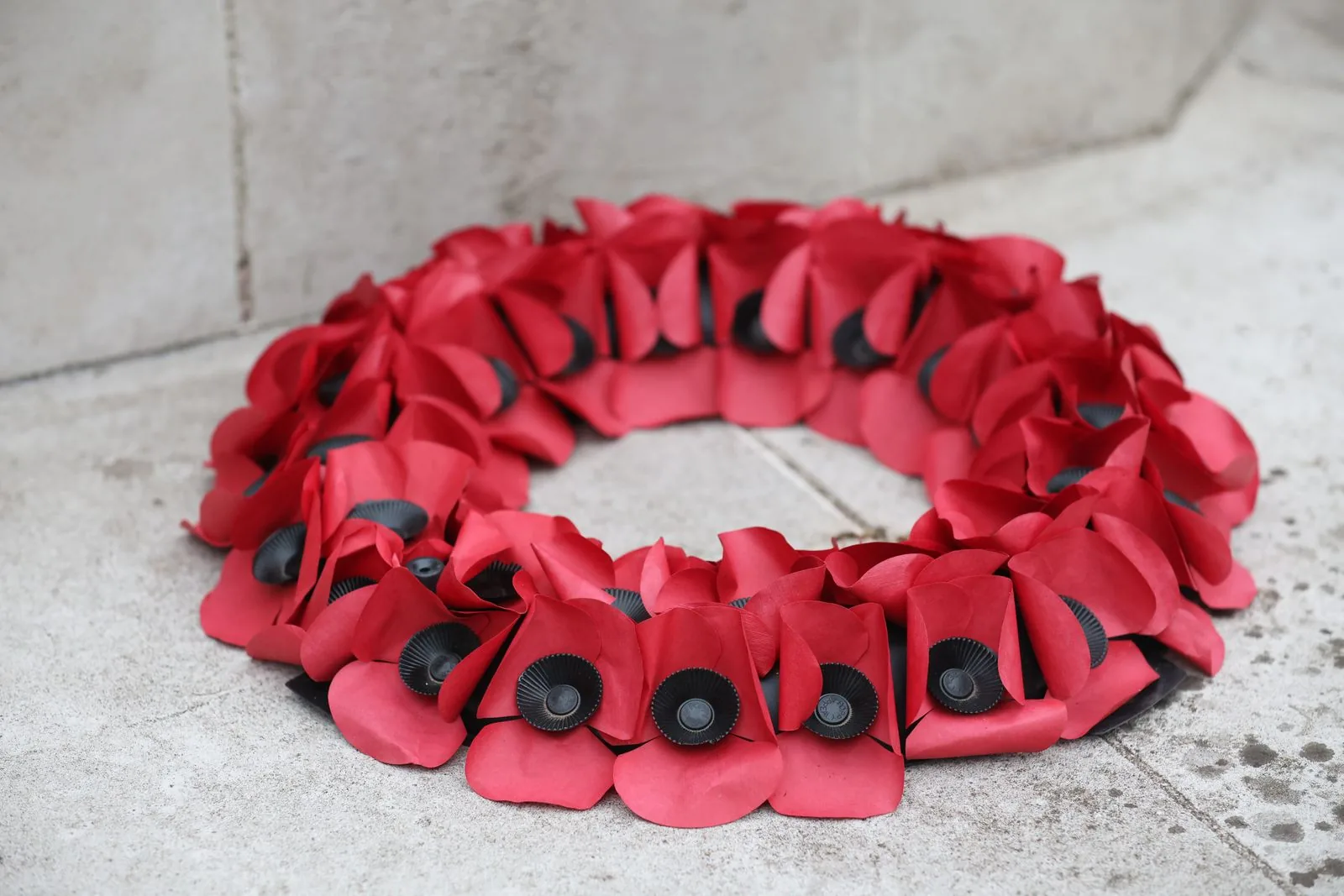
The timing was deliberate. 2014 was the centenary of the start of the First World War, and the country was in a reflective mood. The Guardian noted the public's response to the thousands of ceramic poppies in the moat of the Tower of London, which had drawn millions of visitors in a few months.
Sainsbury's chose the theme "Christmas is for sharing" and told it through the most famous act of sharing from that war. It made the film with the Royal British Legion, the charity behind the annual poppy appeal, which by then had been a Sainsbury's partner for 20 years.
The Sainsbury's 1914 advert was created by AMV BBDO, Sainsbury's agency, and directed by Ringan Ledwidge of production company Rattling Stick. SHOOT reported that the team based the film on original reports and letters from the time and worked with historians throughout.
The Guardian put the running time at 3 minutes 40 seconds. It premiered during an ad break in ITV's Coronation Street on 12 November 2014, the evening after Armistice Day.
The story follows a young British soldier, Jim. He hears German troops singing "Silent Night", walks out into no man's land and is met by a German soldier, Otto. Both sides follow, there is a game of football, and before they part Jim slips a chocolate bar into Otto's pocket. Otto only finds it once he is back in his own trench.
That chocolate bar was the commercial idea. Sainsbury's sold a replica in stores for £1. ITV News reported that 50p from each bar went to the Royal British Legion, made up of all of Sainsbury's profit plus a donation from the company. In Sainsbury's own making-of film, the team explains that the bar was designed as the "hero prop" from the start, with packaging made to look as close as possible to what a soldier would have carried 100 years earlier.
The viewing figures were huge for a long-form advert. The Drum reported more than 12 million YouTube views within about two weeks of launch, and D&AD's awards entry states that it became the UK's most watched advert on YouTube in 2014.
The chocolate bar sold fast. Two days after launch, Sainsbury's head of brand communications, Mark Given, told ITV News the supermarket was selling "in the region of 5,000 every hour". According to D&AD, more than one million bars were sold, raising over £500,000 for the Royal British Legion.
It was also controversial. The Advertising Standards Authority (ASA) received 727 complaints in the first fortnight, mostly from people who felt using the First World War to advertise a supermarket was in poor taste. The ASA decided not to investigate, saying: "While we recognise that some have found the use of the First World War for advertising purposes to be distasteful, the ad is not likely to break the rules surrounding serious harm or offence." By the end of the year the total had reached 823 complaints, making it the fourth most complained about advert of 2014, and none were upheld.
Plenty of Christmas adverts are loved and then forgotten by January. The Sainsbury's Christmas truce advert had a product written into the plot. The chocolate bar was not a logo at the end; it was the thing that moved the story along, and you could pick it up at the front of the store the next day.
That turned an emotional film into a measurable action. Five thousand bars an hour is a far more useful number than "people loved it on social media".
John Lewis did a version of this the same year, selling Monty the Penguin merchandise, including a £95 Monty toy, according to the Guardian. The principle is the same for a small business: if your campaign does not point at something to buy, book or enquire about, you are paying for attention you cannot cash in.
A supermarket telling a war story could easily look cynical. Sainsbury's reduced that risk in three ways. It had a 20 year relationship with the Royal British Legion, so the partnership was not invented for the advert. It worked with historians and original letters to get the detail right. And it said clearly how much each bar raised: 50p.
That last point is not just good manners. If you sell a product on the basis that a charity benefits, buyers should know exactly how much it gets, and UK charity law has rules on how businesses make those statements. Be specific, put it on the pack and the landing page, and get the charity to agree the wording.
The wider lesson for any brand is to only borrow causes, moments or communities you already have a genuine link to. Audiences can tell the difference between a long-term partner and a brand that turned up for the photo.
823 complaints is a lot. It did not stop the campaign, because the ASA judged the advert was not harmful or offensive under the rules and was obviously an advert rather than editorial content.
That only works if you have checked your campaign against the advertising codes before it goes live, not after the complaints arrive. Sensitive subjects, children, health claims, price claims and charity tie-ins all need a careful read of the CAP and BCAP codes.
It also means planning for the backlash. Decide in advance who answers criticism on social, what you will say, and what would make you pull the campaign. Sainsbury's had a calm public line ready when the ASA closed the case: it was "very pleased", and pointed to the positive response from customers and colleagues and the money raised for the Legion.
Launching the evening after Armistice Day, in the centenary year, gave the advert relevance. It also raised the stakes. The same film launched in a different year, or before Remembrance events had taken place, might have felt like it was trading on them.
Timing is a commercial decision too. Christmas adverts that launch in early to mid November give shoppers weeks to see the campaign, act on it, and come back to it. If your product, stock and landing pages are not ready at launch, that first burst of attention is wasted.
This is the part most write-ups skip. Sainsbury's had a famous, hugely watched Christmas advert, and then reported its worst Christmas in a decade.
Marketing Week reported that like-for-like sales excluding fuel fell 1.7% in the 14 weeks to 3 January 2015, the first drop in Christmas sales for more than 10 years, as the big supermarkets lost shoppers to discounters such as Aldi and Lidl and to premium grocers. Chief executive Mike Coupe called it "the toughest Christmas I've seen in my time at Sainsbury's and in the industry", according to the Evening Standard.
That does not mean the advert failed. The falls were better than many analysts expected, Sainsbury's reported 29.5 million customer transactions in the week before Christmas, and its premium Taste the Difference range grew 5%, according to Campaign. The advert did its job for brand and for the charity.
But no advert can fix a price or proposition problem on its own. If your customers are leaving because a competitor is cheaper, quicker or easier, a beautiful campaign will not hold them. Judge brand campaigns on what they are meant to do, and judge the business on sales, margin and repeat customers.

You do not need a three-minute film or a primetime ITV slot to use the same thinking. Here is how we would approach it with a UK brand this year.
Put a product at the heart of the story. Pick one hero product, bundle or offer and make it the centre of your Christmas creative, not an afterthought in the last frame. Our guide to Black Friday marketing in the UK for 2026 covers how to plan offers through peak season.
Build the paid media around the action, not the views. Long-form video can work well for reach, but cut it into shorter versions that lead straight to the product or enquiry page. Our paid media team sets campaigns up to optimise for purchases and qualified leads, not cheap views.
Use creators to tell the story in their own words. A partnership or cause lands better when real people explain why it matters to them. Our UGC service and creator talent roster can help, as long as the facts about any charity donation are clear in the brief.
Get the tone right on social. A sensitive campaign will attract criticism as well as praise. Our social media management team can plan responses and manage comments so the brand sounds calm and consistent.
Be transparent about the charity element. State the exact amount that goes to the charity per sale, agree the wording with the charity, and never pad out the response with fake praise. Our breakdown of the fake reviews law in the UK explains why that matters now.
Measure the business result. Track sales of the hero product, conversion rate and lead quality, not just video views. Our guide on how to measure marketing ROI sets out a sensible way to do that.
For more Christmas campaign breakdowns, see our posts on the John Lewis Christmas advert and Coca-Cola's Christmas advert. For a very different kind of brand risk, read our take on the KFC FCK ad.
It was Sainsbury's 2014 Christmas advert, called "1914". Made with the Royal British Legion, it dramatised the 1914 Christmas truce, when British and German soldiers met in no man's land on Christmas Day. A chocolate bar from the film was sold in stores for £1, with 50p per bar going to the charity.
It was created by AMV BBDO and directed by Ringan Ledwidge of Rattling Stick, with visual effects by The Mill.
According to D&AD, more than one million bars were sold, raising over £500,000 for the Royal British Legion.
No. The ASA received 823 complaints in 2014, mostly about using the First World War to advertise a supermarket, but it decided the advert did not break the rules and none of the complaints were upheld.
It sold a lot of chocolate bars for charity, but Sainsbury's overall like-for-like sales still fell 1.7% over Christmas 2014, as the big supermarkets lost ground to discounters. It is a useful reminder that a famous advert cannot fix wider pricing pressure on its own.
The Sainsbury's Christmas truce advert is remembered for its emotion, but the commercial idea underneath was simple: tell a story people care about, put a product at the centre of it, partner with people who have a right to be there, and be clear about where the money goes.
If you want help building a Christmas campaign that sells, with creative, paid media and creators all pointing at the same goal, talk to our paid media and social teams. Book a call or email hello@blackfiremarketing.co.uk.
Creative, paid media and creators all pointing at the same goal.
Book a call
No-fluff takes on what brands get right, get wrong, and stay strangely quiet about - delivered straight to your LinkedIn feed. Free, and worth the inbox space.
Subscribe on LinkedIn