Guide · Creator contracts
Influencer contract UK
Read article →
Instagram content protection launched on 17 November 2026, and TikTok started rolling out Likeness Detection on 20 November. Here is what UK creators can switch on.
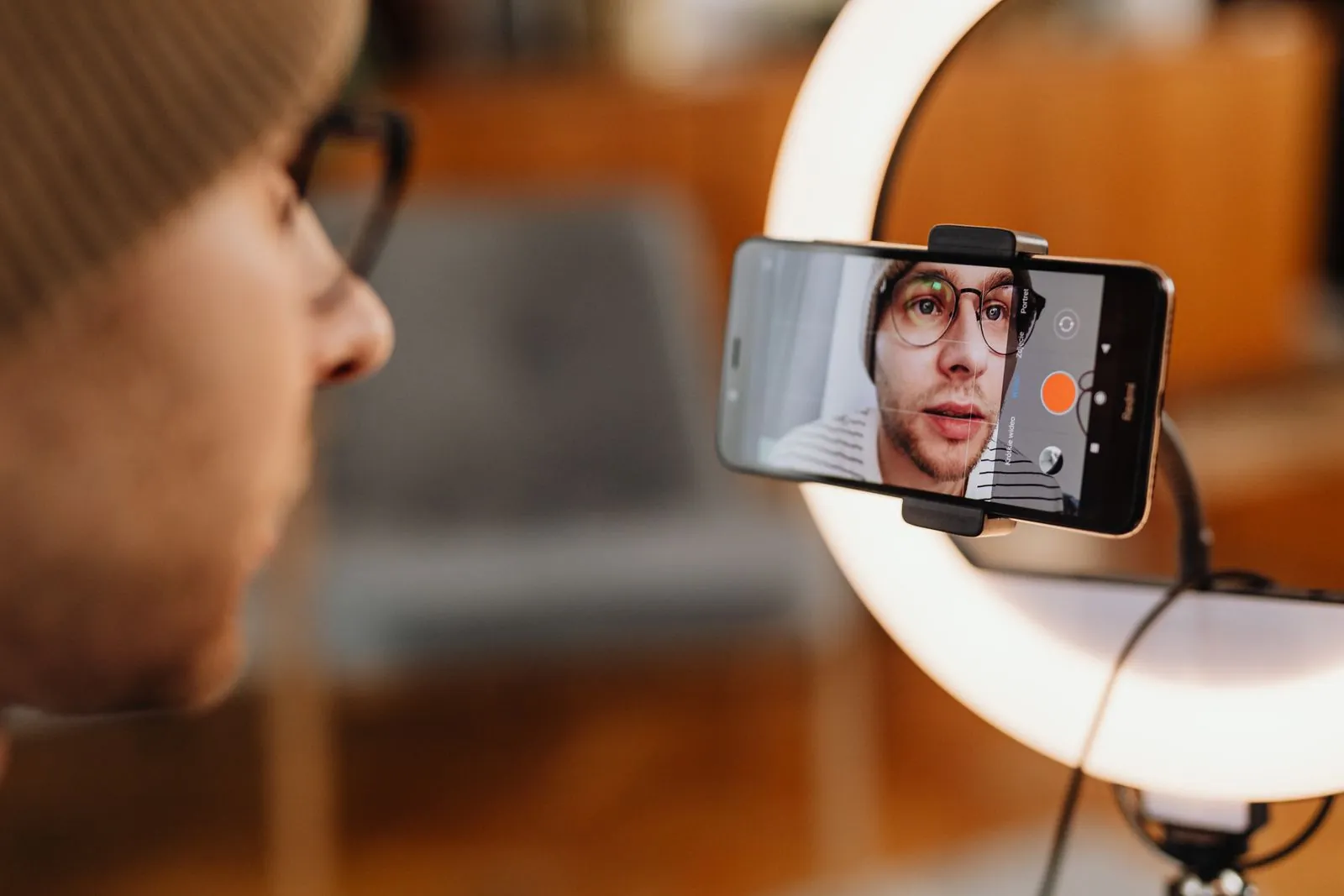
If you make original videos for a living, you have probably found your work on someone else's account. Sometimes it is a straight repost with your watermark cropped out. Increasingly, it is your script read over AI-generated visuals, or a video that uses your face without you ever filming it.
In the space of four days in November 2026, two of the biggest platforms shipped tools aimed squarely at that problem. On 17 November, Instagram brought content protection over from Facebook, so eligible creators can find and act on copies of their original videos. On 20 November, TikTok started a global rollout of Likeness Detection, which flags AI-generated content that may use a creator's likeness without consent. YouTube already offers its own likeness detection tool.
Here is how Instagram content protection works, what TikTok and YouTube now offer, and what UK creators and the brands who hire them should do next.
| Tool | Platform | Announced | What it does | Who can use it |
|---|---|---|---|---|
| Content protection | Instagram (already on Facebook) | 17 November 2026 | Finds visual matches of your original videos. You track, hide, credit or release each one. | Eligible creators |
| Spoken-word matching | Instagram and Facebook | Announced 17 November 2026 | Flags videos that reuse the words in your original, even with AI visuals. | Small test group first |
| Likeness Detection | TikTok | 20 November 2026 (gradual rollout) | Flags AI-generated content that may use your likeness so you can report it. | Eligible creators and public figures, after an ID check |
| AI content checker | TikTok | 20 November 2026 | Checks whether an image or video was made with TikTok's AI tools. | Anyone |
| Likeness detection | YouTube | Opened to all adults in 2026 | Scans new uploads for your face. Removal goes through the privacy process. | Channel owners and managers over 18, after an ID check |
Instagram says content protection uses the same matching technology as Meta's Rights Manager. What is new is that creators on Instagram can now use it, not just creators on Facebook.
Instagram says eligibility is largely based on meeting its originality and integrity standards. If you are eligible, you will see a notification in your activity feed. You can also check in your professional dashboard: tap Tools on the Home tab and look under Your professional tools. If you think you should have access and have not heard anything, Instagram has an application form linked from its announcement.
Once you enrol, every original video you post from that point is protected automatically. You can also protect eligible older videos by selecting them manually, which is worth doing for your best performers.
The tool then scans Instagram and Facebook continuously. When it finds a match, you get a notification and can see how many views the copy has and how many followers the account that posted it has.
For every match, you decide what happens next:
The credit link is the interesting option for growth, because a repost that has already found an audience becomes a route back to you. Hiding suits copies that are misleading or pass your work off as someone else's.
If you have given other accounts permission to use your work, such as a second account you run, a creative collaborator or a brand, you can add them to an allow list so their posts are not flagged as matches.
Creators who do brand work should pay attention here. If a brand has the right to post your video, or publishes UGC you supplied, put it on your allow list. Otherwise you will be notified about content you were paid to make, and an accidental hide could cause an awkward conversation with a client. Your allow list should mirror what your contracts permit.
There is also a dispute route. If someone else posted and protected your original video before you did, you can raise an ownership dispute inside the tool or file a copyright report through Instagram's Intellectual Property Reporting Center.
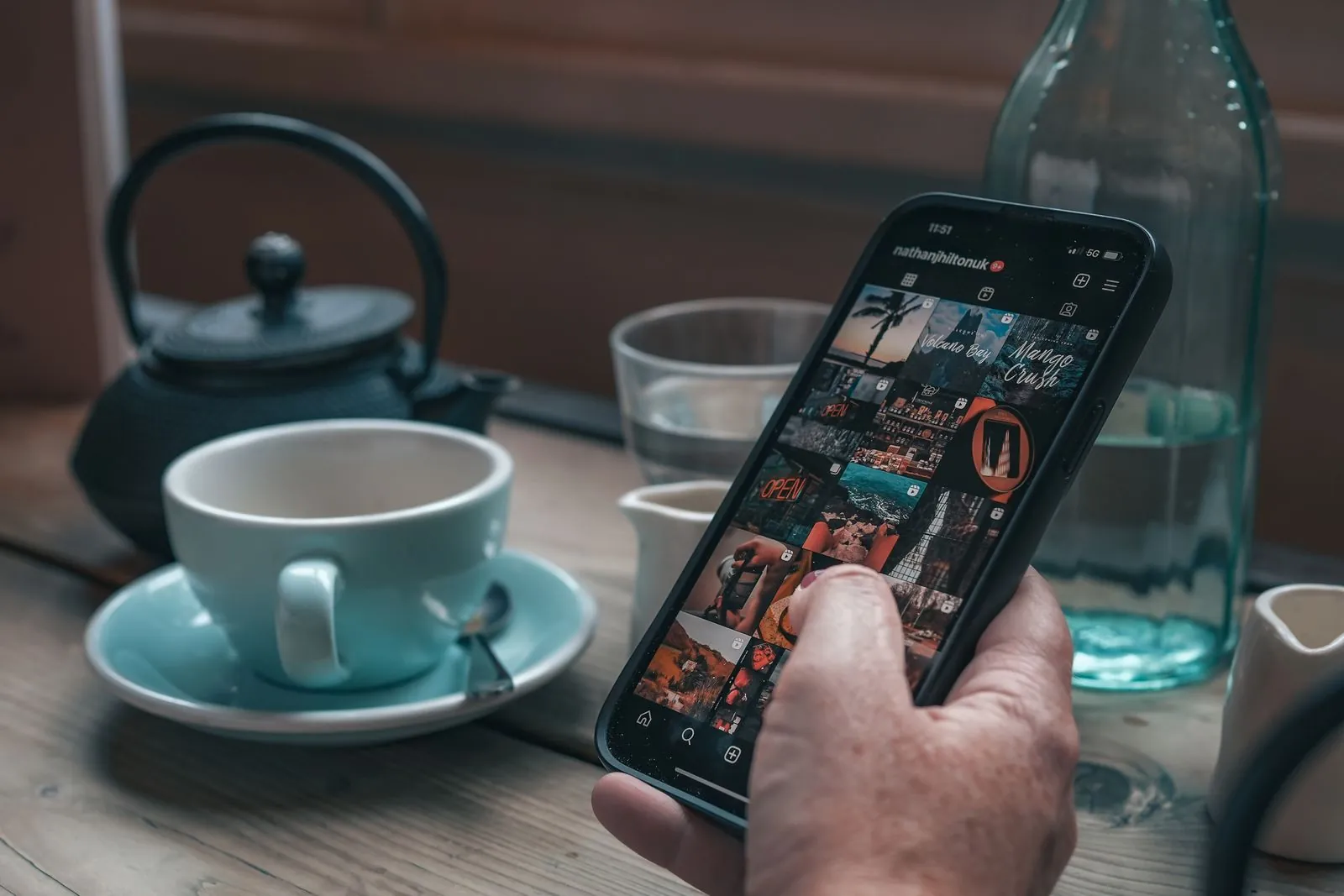
Straight reposts are the easy part. The harder problem is content that borrows from your work without looking like it. Instagram acknowledged this directly in its announcement, saying it had heard growing concern about AI-generated content that uses elements of creators' original work but may not visually match it.
Its first answer is spoken-word matching. Content protection will start showing videos that match the words spoken in your original, even when the visuals have been replaced by AI. Instagram says it will test this with a small group of creators first, then expand it to creators enrolled in content protection on Instagram and Facebook as soon as it can.
For talking-head creators, educators, doctors and coaches, whose value is in what they say, this is the part to watch. An account that runs your script through an AI voice over generated footage would not be caught by visual matching alone. Instagram also says it is exploring ways to limit the reach of accounts that repeatedly post this kind of AI content.
TikTok's announcement on 20 November tackles a different angle. Rather than matching your videos, Likeness Detection looks for AI-generated content that may use your likeness without your consent.
TikTok says it works in three steps:
A match is not removed automatically, because TikTok's safety teams review each report. The rollout is also gradual. Euronews and CNA focused on politicians ahead of European elections, but TikTok's own announcement says the tool is for eligible creators as well as public figures. If you cannot see it yet, it may not have reached your account.
On the same day TikTok launched a transparency tool that lets anyone upload an image or video to check whether it was made or edited with TikTok's AI creation features, using C2PA Content Credentials and its invisible VeraDura watermark. It only covers TikTok's own AI tools, so a negative result does not prove a video is genuine.
YouTube got there first. Its likeness detection tool began with a small group of creators, then opened to all users over 18 earlier in 2026, according to The Verge. It scans new uploads for the faces of enrolled creators. YouTube's help page says you verify with a government ID and a short selfie video, and that you need to be a channel owner or manager, and over 18, to set it up. Matches can be reported through YouTube's privacy complaint process, or through a copyright removal request if the match is your real footage reuploaded. Biometric Update reported that at Made on YouTube in September 2026, YouTube said speaking-voice detection is being added to help catch voice clones.

None of these tools works unless you switch it on. A short checklist:
Brands that repost creator videos should ask to be added to the creator's allow list, so their posts are not flagged. Content protection relies on the creator telling Instagram who has permission, so vague usage rights now cause practical problems, not just legal ones. Our UGC service includes full usage rights for exactly this reason. And remixing a creator's video, script or face with AI without permission is getting easier to detect on all three platforms. If you are commissioning creators for the first time, our posts on UGC creator rates in the UK and gifted collaborations cover what fair terms look like.
Platform tools help, but they do not replace someone minding the commercial side. BlackFire represents a small, deliberately selective roster of named talent, handling brand enquiries, terms, disclosure and production while creators sign off their own work. We agree terms in writing before any work starts, which is what makes allow lists and disputes straightforward.
For creators who want to build the business behind their audience, our creator growth work covers newsletters, podcasts, distribution and monetisation. You can see who we already represent, read our guide to content creator and influencer management in the UK, or apply to join the roster. Non-exclusive is fine.
Instagram content protection is a tool for eligible creators that scans Instagram and Facebook for visual matches of their original videos. When it finds a copy, the creator can track it, hide it, add an "original by" credit link or release the claim. It launched on Instagram on 17 November 2026 after being available on Facebook.
Eligible creators get a notification in their activity feed. You can also check in your professional dashboard by tapping Tools on the Home tab and looking under Your professional tools. Instagram says eligibility is largely based on its originality and integrity standards, and there is an application form if you think you qualify.
Partly. It matches visual copies of your videos now. Instagram is also starting to test matching the spoken words in your original, even when the visuals have been replaced by AI, with a small group of creators before expanding it to everyone enrolled.
TikTok Likeness Detection is an opt-in tool that helps eligible creators and public figures find AI-generated content on TikTok that may use their likeness without consent. You verify your ID with a third-party partner, review possible matches and report them to TikTok's safety teams. It began a gradual global rollout on 20 November 2026.
They can be, unless you add them to your allow list. If you have given a brand permission to post your content, add its account to your Instagram content protection allow list so its posts are not flagged as matches.
Instagram content protection, TikTok Likeness Detection and YouTube likeness detection all point the same way: platforms are finally giving creators some control over copies of their work and their face. Switch on what you are eligible for, tidy up your allow list and make sure your brand contracts say clearly who can use what. If you would like help with the commercial side so you can get back to making things, apply to join the BlackFire roster or book a call.
Apply to the roster if you want brand enquiries, terms and disclosure looked after. You still sign off your own work.
Apply to join
No-fluff takes on what brands get right, get wrong, and stay strangely quiet about - delivered straight to your LinkedIn feed. Free, and worth the inbox space.
Subscribe on LinkedIn