Guide · Creators
How to get brand deals
Read article →
Q4 is when UGC briefs pile up, as brands chase fresh ads for Black Friday, Christmas and January sales.
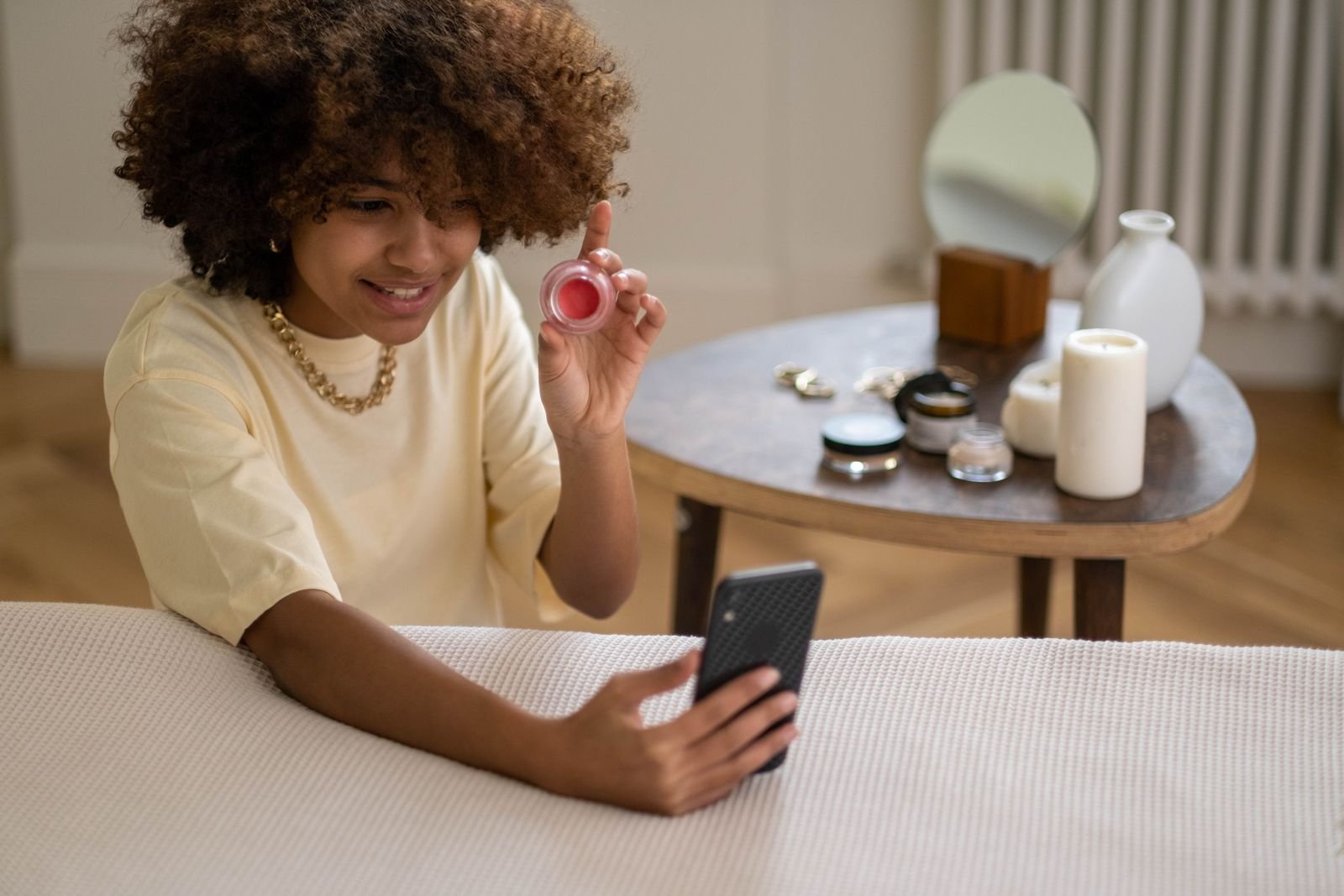
Q4 is when UGC briefs pile up, as brands chase fresh ads for Black Friday, Christmas and January sales. It is also when UK creators are most likely to undercharge, because a brief that says "one 30-second video" can quietly include a year of paid ads, five hook variations and a ban on working with competitors.
This guide covers how UGC creator rates in the UK actually work: what a sourced benchmark says, how to build your price from production, usage and extras, what whitelisting, Spark Ads and Meta partnership ads mean for your fee, and how to package your work so brands can say yes quickly.
At BlackFire Marketing, we brief and buy UGC for brands and represent creators through BlackFire Talent, so we see both sides of the quote.
Brands are putting serious money behind creator content. IAB UK forecasts that advertiser investment in UK creator partnerships will reach £1.217bn in 2026, up 26% on 2025. That figure excludes paid amplification, which experts interviewed for the study suggested could be two to three times as large, although IAB UK says that estimate should be treated with caution.
Meta's own numbers point the same way. On its third quarter 2026 earnings call on 21 October, Meta said its partnership ads product, which lets advertisers run ads with creators, grew more than 97% year on year and passed $15 billion in annual revenue run rate. It also finished rolling out its Creator Marketing Hub to all advertisers, with more than 10 million creators discoverable.
For UGC creators, the message is simple. Your content is increasingly bought as ad creative, which earns money for the brand every day it runs. Your rate should reflect that.
There is no official UK rate card for UGC. The most useful published benchmark we have found comes from Whito, a UK research site. Its 2026 rate benchmarks, compiled in June 2026, put a UGC video made for a brand's own channels at typically £50 to £250.
Read that range carefully. Whito says the figures are approximate GBP equivalents of mostly US dollar data, adjusted for the UK, and are planning benchmarks rather than fixed prices. It also says rates depend on niche, format, usage rights and exclusivity far more than follower count. The range describes a basic video for organic use. Paid usage, whitelisting and exclusivity sit on top.
Where you sit in or above that range depends on:
The cleanest way to quote is to split your price into three parts. It makes your fee easier to defend and stops usage being slipped in for free.
This covers making the content: concept, scripting if needed, filming, basic edit, captions and one round of revisions. Base it on the time each deliverable really takes, including prep, reshoots and admin.
This covers what the brand can do with the content after you deliver it. Organic use on the brand's own channels is usually included in the production fee. Paid usage, longer terms, more platforms and more territories are priced separately.
Anything beyond the core deliverable: extra hook variations, alternative calls to action, raw footage, different aspect ratios, rush turnaround, extra revision rounds and exclusivity. Each one gives the brand more value, so each one has a price.

Organic usage means the brand posts your video on channels it owns, such as its Instagram, TikTok, website or emails. The video reaches people who already follow or visit the brand.
Paid usage means the brand puts ad spend behind your video. It becomes creative in Meta Ads Manager or TikTok Ads Manager and can be shown to a very large audience that has never heard of you or the brand. Your face and voice are doing far more commercial work, for longer.
When you quote paid usage, agree in writing:
Avoid "perpetual" or "in all media worldwide" usage inside a basic production fee. If a brand genuinely needs that, it is a buyout and should be priced as one. Our guide to influencer contracts in the UK covers usage, exclusivity and payment clauses in more detail.
Whitelisting is the industry term for a brand running ads through your identity, so the ad appears to come from your account. It is a step beyond paid usage, because your handle, profile and comments section are part of the ad. Price it as its own line.
On Instagram and Facebook, whitelisting now runs through partnership ads, which Meta used to call branded content ads. According to Meta's help pages:
Account-level access is a much bigger ask than one post. If a brand requests it, agree a spend cap, a fixed term and copy approval, and charge accordingly.
Spark Ads let a brand promote an organic post from your TikTok account. You switch on ad authorisation in the post's ad settings, choose an authorisation period of 7, 30, 60 or 365 days and share a video code with the advertiser. Match the period you choose to the term in your agreement, so a 30-day deal does not end up on a 365-day code.
In October 2026, Pinterest began letting brands promote eligible Pins that creators have already published, with the creator notified by email. Its help page has not said whether creators are paid. If you post on Pinterest, check the "Let advertisers promote your content" setting under content permissions and decide whether you want it on.
Platform permission is not the same as a commercial licence. A code or toggle lets the platform run the ad. Your agreement sets the fee, term and limits.
If a whitelisted ad runs from your account, it still needs to be clearly identifiable as advertising. The ASA expects an obvious "Ad" label, so check the brand's setup before it goes live.
Packages make you easier to buy and stop every brief becoming a fresh negotiation. A simple structure might be:
Then list add-ons separately: extra hooks, raw footage, extended usage, whitelisting, rush delivery and exclusivity. Bundles can lower your per-video price while keeping usage priced properly.

Three things quietly eat into UGC margins:
If you are still building your first paid deals, our guide on how to get brand deals in the UK covers pitching and media kits, and our guide to gifted collaborations explains when free product stops being a fair trade. If you sell through TikTok Shop, read our post on the TikTok Shop Net Sales Boost too.
Doing it yourself works with a few brands and simple briefs. A manager or UGC agency makes sense when usage terms, whitelisting and renewals take more time than filming, or you suspect you are undercharging.
A good manager should be open about their commission and what they do for it. Our guides to UGC creator management in the UK and content creator and influencer management explain how that relationship works.
If you work on the brand side, fair pay and clear usage terms get you better creators and fewer disputes. See our UGC service, paid media and social media management, and our Black Friday marketing guide for Q4 planning.
There is no official rate card. Whito's June 2026 benchmarks put a UGC video for a brand's own channels at typically £50 to £250, as a planning guide rather than a fixed price. Paid usage, whitelisting, extra hooks and exclusivity are usually priced on top.
Organic use on the brand's own channels is usually included. Paid ad usage, longer terms, more platforms and wider territories should be quoted separately, with the platforms, term and renewal fee agreed in writing.
With paid usage, the brand runs your video as an ad from its own account. With whitelisting, the ad runs from your account through Meta partnership ads or TikTok Spark Ads, so your handle is part of the ad. Whitelisting is usually priced as a separate line.
On Meta, creators can revoke partnership ad permissions at any time, but active ads may keep running until you stop them. On TikTok, Spark Ads codes run for the period you choose. Your contract can still commit you to a term, so agree it first.
If you are a UK UGC creator getting more briefs than you can price properly, or you want help turning one-off videos into ongoing paid work, BlackFire Talent represents a small, selective roster of creators and talent. Email hello@blackfiremarketing.co.uk with your portfolio, your niche and the kind of briefs you want, and we will tell you straight whether we can help.
BlackFire Talent represents a small, selective roster. Email hello@blackfiremarketing.co.uk with your portfolio, your niche and the kind of briefs you want.
Email us
No-fluff takes on what brands get right, get wrong, and stay strangely quiet about - delivered straight to your LinkedIn feed. Free, and worth the inbox space.
Subscribe on LinkedIn