Case study · SEO
Food brand SEO
Read article →
A list of keywords and positions can look busy and still not tell you whether search is bringing in the right people.

Every month the SEO report lands. A list of keywords, a column of positions, some green arrows and some red ones. It looks busy. But if you run a business, the question you actually want answered is simpler: is search bringing in more of the right people, and is anyone doing the work that makes that happen?
That gap is what this post is about. There are two broad ways an SEO engagement can be set up. One is led by rankings and reporting. The other puts the work itself first, with reporting as the record of that work. Neither is wrong for everyone. This is an honest look at both, the SEO KPIs worth tracking under each, how BlackFire does it, and when our way isn't the right fit.
In this model the core deliverable is visibility tracking. You get a set of target keywords, a monthly position report, perhaps a site health score and a list of recommendations. Some scopes include a modest amount of on-page work. Others leave the fixes to you or your developer.
This isn't automatically a bad deal. If you have an in-house marketer or developer who can act on recommendations quickly, a tight reporting scope can be good value. The risk is when a business assumes it is paying for SEO and is really paying for someone to watch the scoreboard.
Here the agency is responsible for doing the work as well as measuring it: technical fixes, keyword and intent research, on-page changes, content, earned links and, increasingly, getting cited by AI answer engines. The report exists, but it describes what was done and what moved, not just where you rank.
This costs more to deliver because there is more in it. It also takes longer to judge, because the work compounds over months rather than showing up in a weekly position check.
Plenty of proposals sit somewhere in between. The point isn't to label any agency. It is to help you read a proposal and see which model you're actually buying.
| Scope | Rankings-led, reporting-first | Full-stack, implementation-first |
|---|---|---|
| Main deliverable | Position tracking and recommendations | Technical, on-page, content and link work, plus reporting |
| Who implements fixes | Often you, your developer or your in-house team | The agency, within the agreed scope |
| Rankings | The headline metric | Tracked, but treated as a signal rather than the goal |
| Visibility and clicks | Sometimes included, sometimes not | Impressions, clicks and indexed pages from Search Console |
| Conversion evidence | Rarely, unless you supply tracked enquiry data | Only possible where enquiry or sales tracking already exists |
| Best for | Teams that already do the work and want an outside check | Businesses that need the work done, not just measured |
| Main limitation | A good report can hide a lack of progress | Slower to judge, and costs more than a report alone |
One row matters more than the rest. Whatever model you choose, nobody can honestly report on leads from SEO unless enquiries or sales are being tracked. If a report claims lead growth, ask where that number comes from.

Rankings are a real signal. They're just a poor business KPI on their own, for a few reasons.
Positions move without anything changing for you. Search results shift daily, vary by location and device, and are increasingly crowded with AI Overviews and other features. We covered some of the measurement problems in our post on Google rank tracking and poisoned SERPs.
A keyword list can be chosen to look good. It's easy to rank for terms nobody searches, or for terms that bring the wrong people. A report full of page-one positions can sit alongside flat enquiries.
Clicks can fall while rankings hold. As more searches end in an answer rather than a visit, a stable position doesn't guarantee the same traffic. Google is starting to show some of this in Search Console, which we broke down in our guide to the Search Console AI performance report.
None of this means you should ignore rankings. It means a report built only on them tells you less than it appears to.
A useful SEO report usually works in layers, from early signals to business outcomes.
So, what should an SEO report include? At minimum, what work was done, what changed in visibility and clicks, and, where tracking allows, what that meant for enquiries or sales. If a report only covers the second layer, you're seeing part of the picture.
Our SEO service is built on the full-stack model. The page says it plainly: the full stack, not just a monthly report. It lists:
We also don't guarantee first-page rankings, because Google's results aren't ours to guarantee. We guarantee the work and the method, and we're straight about the odds. Retainers start from £1,000 a month and scale with competition and scope.
On timing, the same page is upfront. Months one and two are foundations, with little visible movement. Months three to five are when rankings and traffic begin to move. Early signals are described as appearing in 8 to 12 weeks, and meaningful leads as usually arriving from month four to six. If someone promises page one by Friday, they're either lucky or lying.
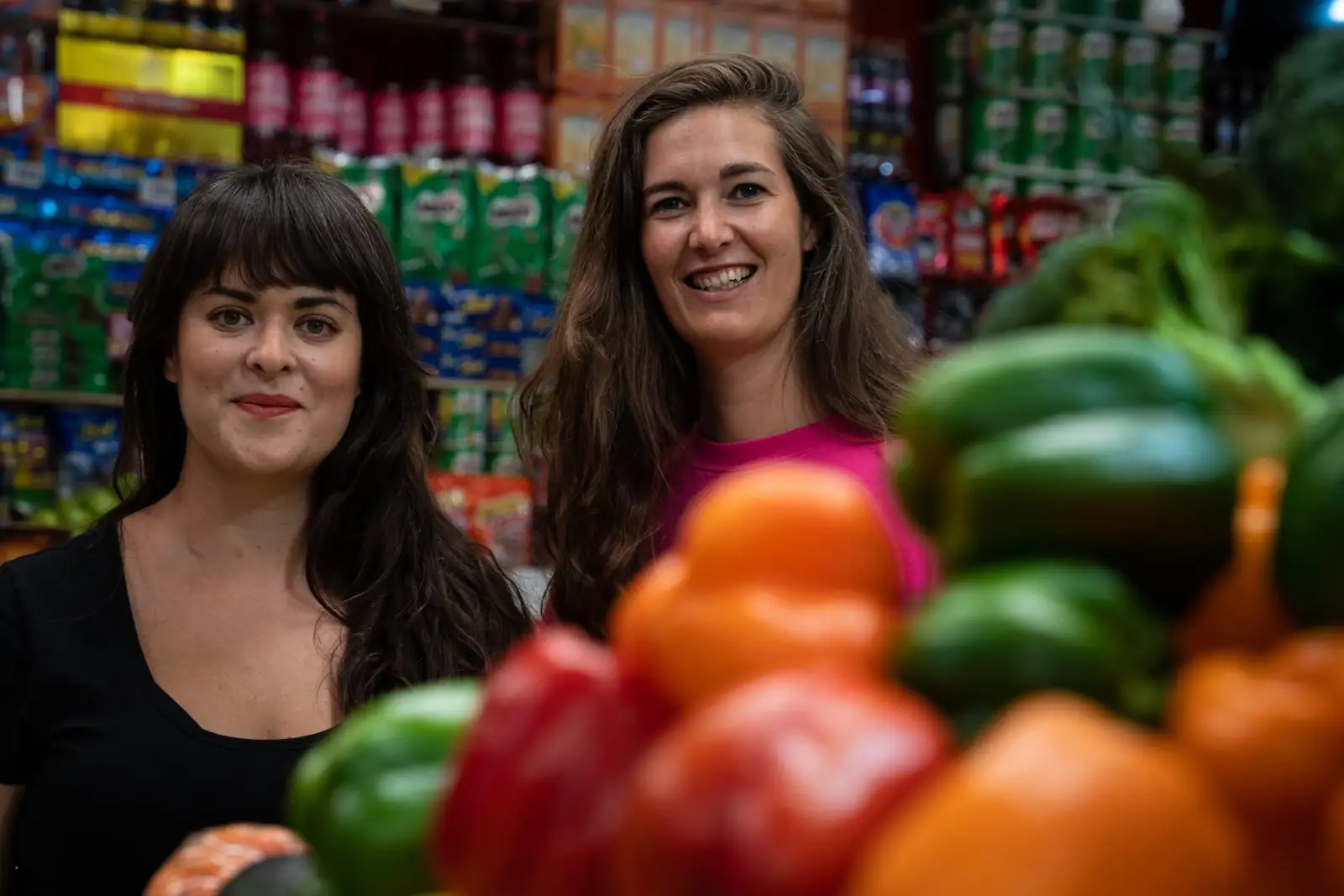
Our Masafina case study is an example of reporting that goes beyond a rankings line. Masafina brings heritage Mexican ingredients to the UK. The published work was social content, a custom blog and contact page on the existing store, and the search work.
The published results come from Google Search Console, and each one names its date window. Comparing 12 June to 6 July 2026 with 7 July to 6 October 2026, impressions per day rose from 92 to 653, about seven times, and clicks per day rose 28.9%, from 12.76 to 16.45. Indexed pages went from 13 on 9 July to 24 on 3 October 2026.
The case study is also plain about what moved and what didn't. Average position slipped from 6.79 to 7.17 as a wider set of informational queries came in. CTR fell as those impressions grew, because much of the new visibility was informational. Brand queries still produce most of the clicks. A rankings-only report would have flagged a small drop. The fuller picture is a site appearing for far more searches.
These figures are search visibility and clicks. They are not leads, and they are not sales. The case study does not report either, so this post does not claim them. That is the point. Report what the data supports. You can see the same Search Console approach in our food brand SEO case study.
A rankings-led, reporting-first scope can suit you if:
A full-stack, implementation-first scope suits you if:
We'd rather say this now than six months in.

Before you sign, or before you renew, ask:
If you're comparing ways of buying help more broadly, our posts on what a digital marketing agency costs in the UK and freelancer vs agency may help.
For most businesses, the most useful SEO KPIs are indexed pages, impressions, non-brand clicks from search and, where tracking exists, enquiries or sales from organic search. Rankings are worth tracking as a trend, but they're a signal rather than the goal.
A good SEO report should cover the work done that month, changes in visibility and clicks from Google Search Console with clear date ranges, technical issues found or fixed and, if conversion tracking is set up, what organic search meant for enquiries or sales.
Not entirely. Rankings show whether pages are visible for target searches. They become a vanity metric when they are the only measure, when the keyword list is chosen to look good, or when they are reported without clicks and business outcomes alongside them.
Only if enquiry or sales tracking is in place. Without tracked forms, calls or sales data, an SEO report can show visibility and traffic but cannot honestly attribute leads to search.
On our SEO page, early signals are 8 to 12 weeks, and meaningful leads usually arrive from month four to six. Timelines vary with competition, the state of the site and how much work is done each month.
If your current SEO reports show plenty of rankings but not much else, it's worth a second opinion. Book a call and we'll give you an honest read of how competitive your keywords are, which SEO KPIs to focus on, and whether SEO or paid search is the smarter first move. You can see the full scope on our SEO service page.
Book a call and we'll tell you whether SEO or paid search is the smarter first move.
Book a call
No-fluff takes on what brands get right, get wrong, and stay strangely quiet about - delivered straight to your LinkedIn feed. Free, and worth the inbox space.
Subscribe on LinkedIn